Learning from Mallacoota: Reflections on community, sovereignty & supporting children after fire
Living in a remote area that is frequently affected by fire, I have a personal understanding of how communities cope with trauma, loss, and recovery.
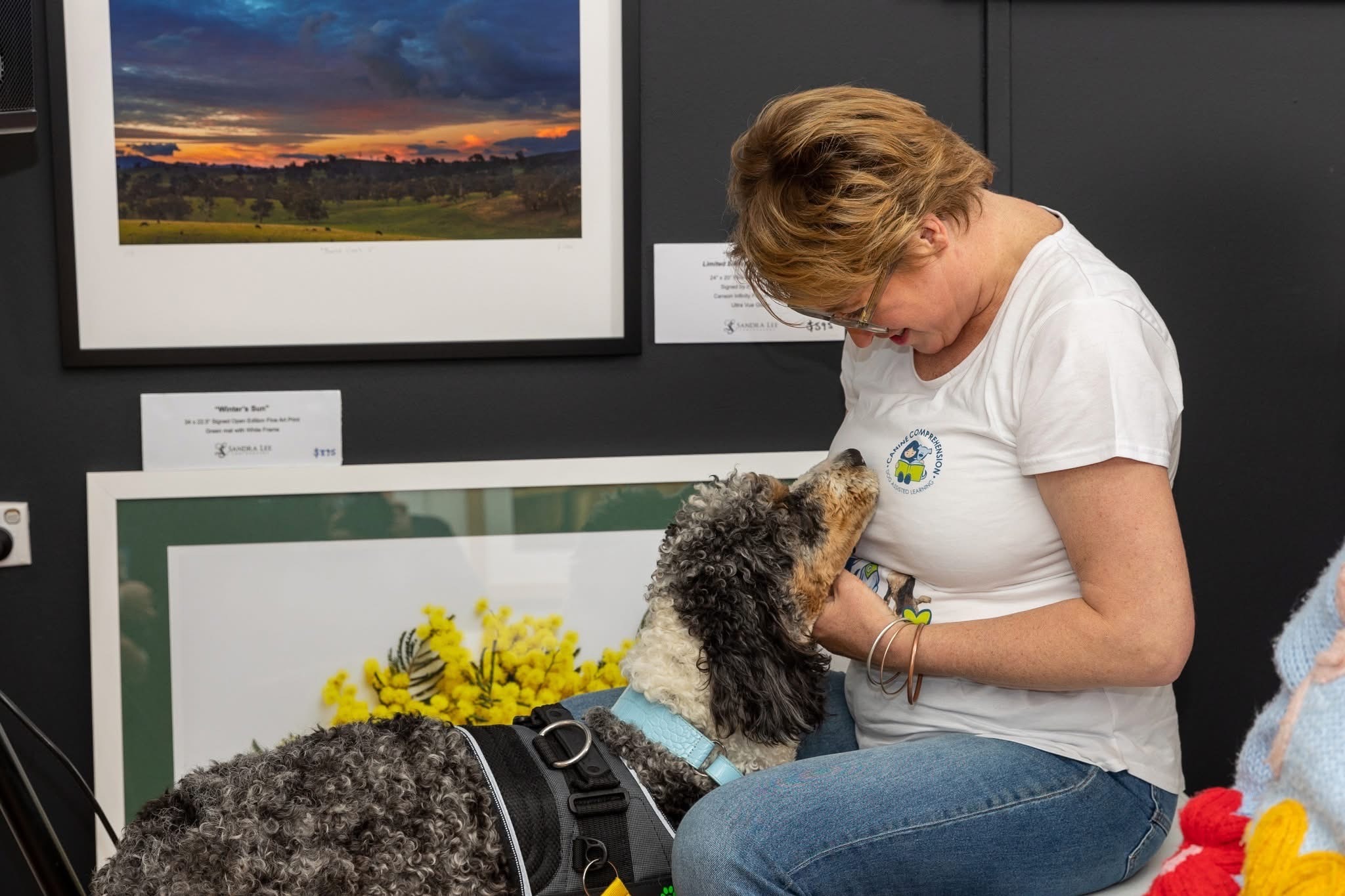
My husband is a firefighter who also volunteers without local CFA to support others during emergencies, and through my work with Canine Comprehension, I’ve seen firsthand how children’s nervous systems are impacted by prolonged stress and disruption.
Recently, I watched a documentary called The People’s Republic of Mallacoota (Netflix). For anyone unfamiliar, it explores life in this small Victorian coastal town after the Black Summer bushfires, offering an intimate look at how the community navigates recovery, resilience, humour, and a deep sense of independence. Even from the outside, it’s clear that Mallacoota is a town that values its autonomy and wants to manage its own path.
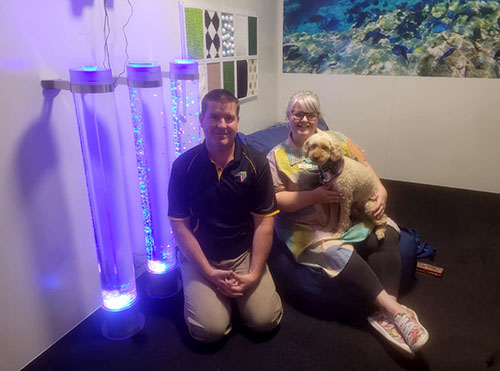
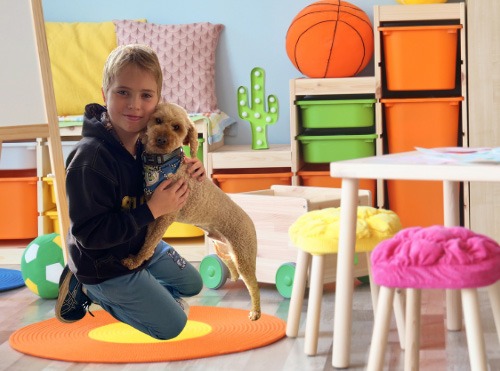
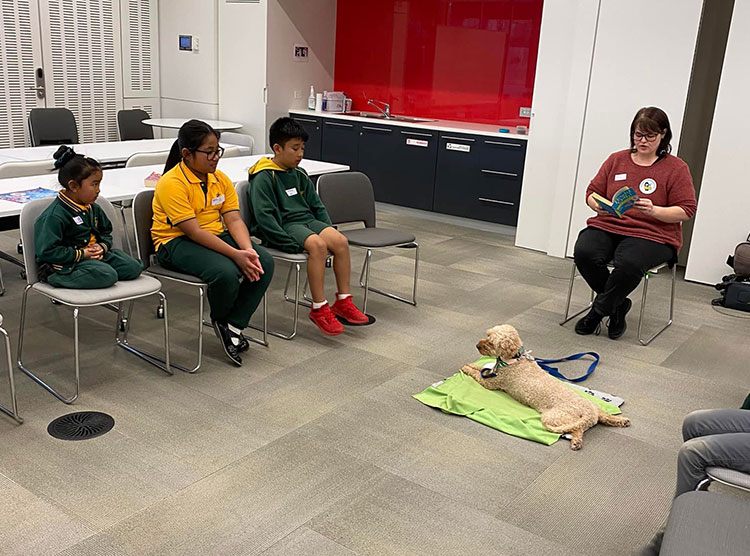
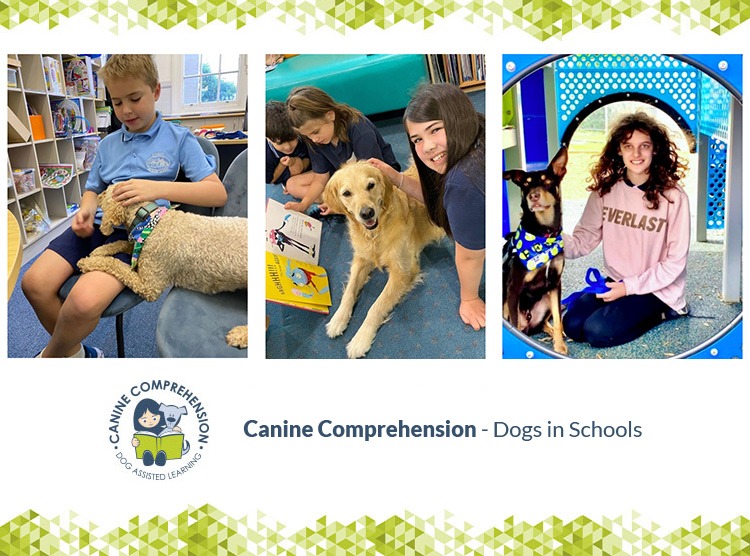
Through Canine Comprehension, we had the opportunity and funding to support Mallacoota’s local children by bringing our therapy dogs into their school: a gentle, evidence-based way to help kids feel safe, regulate their nervous systems, and reconnect with learning after trauma. We were fortunate enough to employ a highly qualified dog assisted learning facilitator who was also a local social worker, who experienced firsthand those unforgettable fires and was was already deeply trusted in the community. On paper, it seemed like a supportive, collaborative partnership.
In practice, the response was complex.
The school and the broader community chose not to take up the offer in a formal or sustained way. This wasn’t a rejection of our work, it reflected a strong sense of self-determination. Some parents quietly withdrew their children from school so they could work individually with our Mentor and therapy dog. These actions quietly demonstrated that the need for support existed, it just had to be accessed in a way that respected the community’s autonomy.
Mallacoota’s sovereignty is a strength.
After the fires, this independence became a way to protect the community’s dignity and control. Accepting outside help, even when collaborative and well-intentioned, can feel risky and fought with ‘letting the genie out of the bottle’ type of bureaucratic dangers. And yet, this very independence can sometimes make it difficult for children to access supportive interventions, even the gentle, relational kinds that could make a real difference in their recovery.
This reflection isn’t about what Mallacoota should have done differently. It’s about what this experience taught me, about trauma, trust, and the limits of self-reliance, especially when children are involved. It also reminds me that recovery is not just about rebuilding homes or asserting independence; it’s about balancing sovereignty with openness to support, and understanding that sometimes the help we most need is the hardest to accept.
Written by Sarah McDonald, CEO and founder of Canine Comprehension