Research & Evidence
Is dog-assisted learning effective?
Yes!
While many people are familiar with the anecdotal evidence of the benefits of therapy dogs in schools—or they have experienced the positive effects from a companion animal at home—there is also a growing body of research and peer-reviewed evidence supporting the ethical incorporation of well-trained therapy dogs in educational settings.
As a starting point, the Animal Therapies LTD ‘“Dogs in Schools” Guidelines’ document provides a wealth of references to research and studies demonstrating the overarching benefits of the human-animal bond as well as the benefits of animal-assisted learning in schools. The studies cited in these guidelines include benefits in school settings such as:
- Improved school attendance (Putz 2014; Beetz 2013)
- Improved concentration (Wohlfarth et al. 2013; Jurickova et al. 2020)
- Improved social functioning (O’Haire 2013, Kotrschal & Ortbauer 2003, Esteves & Stokes 2008; Funahashi et al. 2014; Tissen et al. 2007)
- Increased empathy (Tissen et al. 2007)
- Improved self-esteem and confidence (Putz 2014)
- Improved self-regulation and self-control (Putz 2014)
- Improved mood (Adamle et al. 2009)
(See full list of references in the ‘“Dogs in Schools’” Guidelines’.)
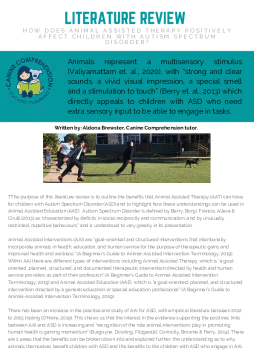
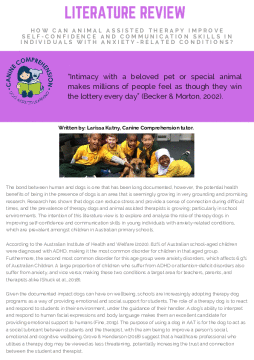
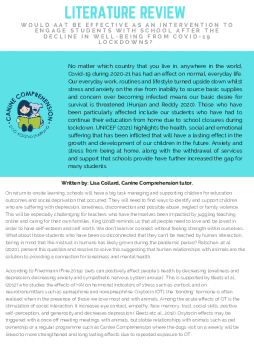
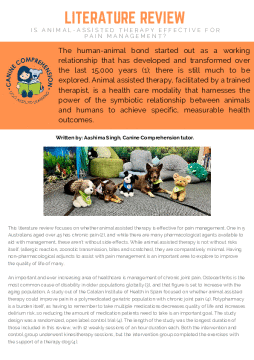
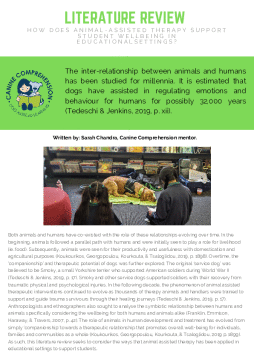
Many studies provide scientific support for the use of animal-assisted education. The articles and literature reviews below (completed by Canine Comprehension mentors) examine some of the evidence available, providing links to further resources and reading.


Articles
Randomised control trails – Evidence from published systematic reviews and randomised controlled trials (RCT):
Articles that mention research:
Learn more about our
animal-assisted education programs
From flexible options to regular weekly visits for the term or year, our programs match your needs to provide impact for students—at school and beyond. We are committed to evidence-based practices, continuous improvement, transparency (schools receive progress notes and impact reports), and the highest level of ethical practice for our therapy dogs and the people we work with.
Our programs focus on three key areas: emotional wellbeing, social skills development and academic support.
Discover the ways our experienced therapy dog teams can make a difference.