Why Repetition Matters: A Quick Guide for Teachers & Parents
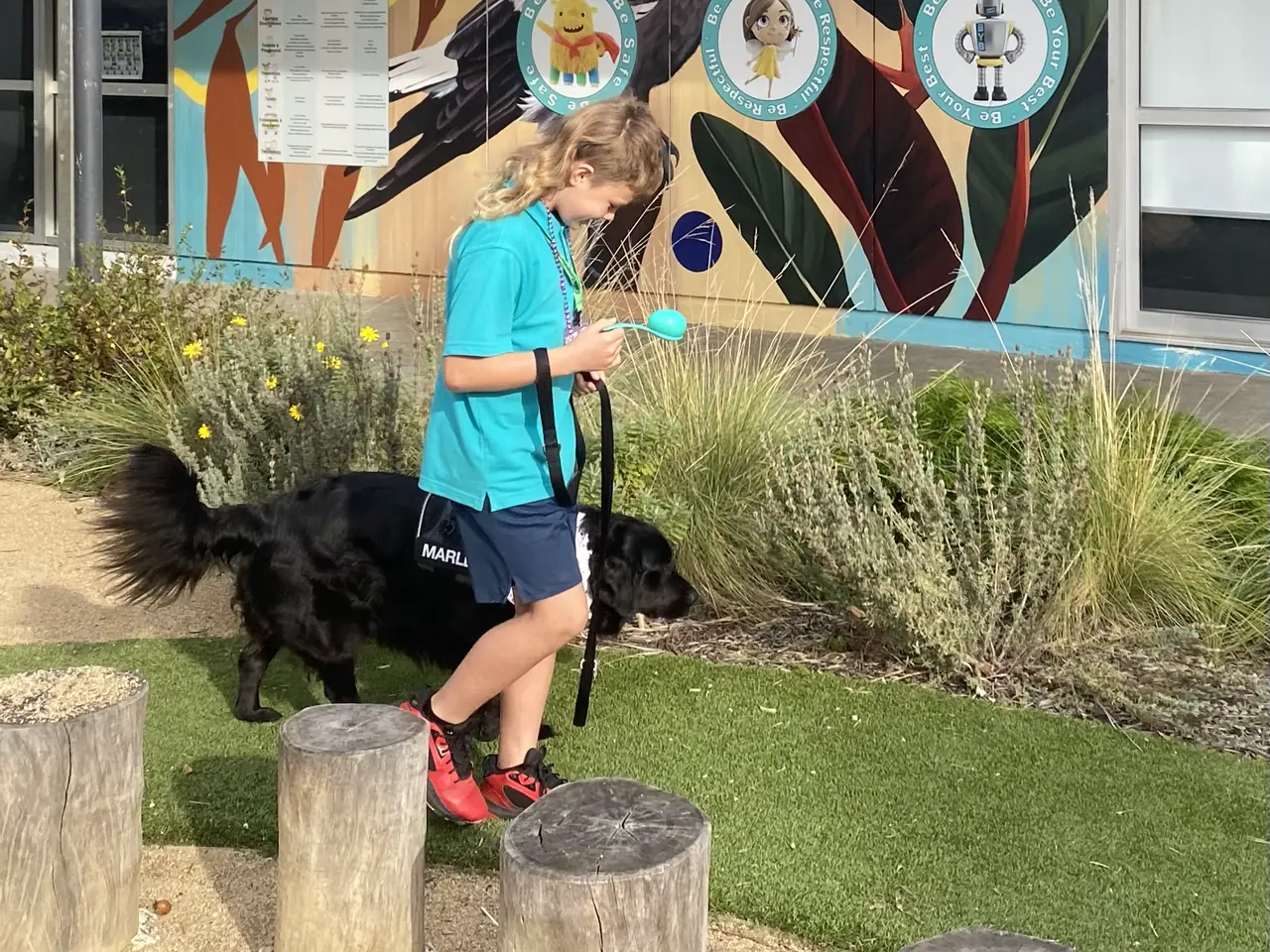
At Canine Comprehension, we know every young person is unique, and every learning journey is different. But there’s one teaching strategy that stands out for everyone: repetition. Whether your child is participating in our Dog for a Day program, a group session, or working one-on-one, repeating key teaching points is one of the most effective ways to help them succeed.
The Science Behind Repetition
Research consistently shows that repetition is essential for learning. When we repeat key messages, we’re not just filling time, we’re setting students up for success.
Helps students remember and understand: Repeating information moves knowledge from short-term to long-term memory. This means your child is more likely to recall and use what they’ve learned in future sessions and everyday life (VSMG, 2023). Repetition helps students build confidence and fluency, as each time they hear and practise a concept or skill, they become more comfortable and accurate in using it. This approach is particularly valuable for neurodiverse learners, who often benefit from extra time and repeated opportunities to develop self-assurance (Tot Bop, 2023). By revisiting key ideas, repetition actively strengthens the neural pathways in the brain, making it easier for children to learn, retain, and apply new information in different contexts (Nemours, n.d.). Even on days when students are distracted or not fully engaged, repeated exposure ensures they have multiple opportunities to absorb and understand essential messages, allowing important concepts to truly sink in over time (Iris Reading, 2022).
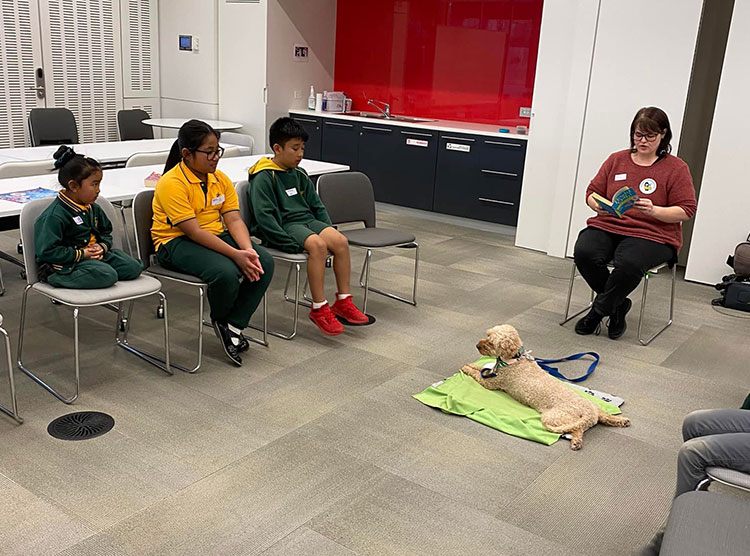
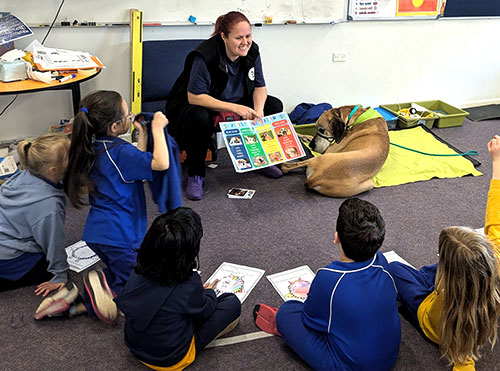
Repetition isn’t about mindless drilling or making learning feel monotonous. Instead, it’s about thoughtfully weaving important ideas through every experience a child has, ensuring those key messages are encountered again and again in meaningful ways. Within each Canine Comprehension session, we revisit the learning intention and clarify what success looks like, so students always know what matters most. Whether we’re enjoying dog-assisted reading, practising resilience through games, or exploring new skills, we deliberately return to essential concepts across multiple sessions. This conscious repetition helps students build confidence and understanding over time. And when a child remembers or applies a repeated idea, we make sure to celebrate that achievement, because that’s genuine progress worth recognising.
You can easily bring repetition into your own home or classroom as well. Try restating key points at the beginning, throughout, and at the end of each activity, using simple language to keep the main idea clear and accessible. Don’t be afraid to mix it up: reinforce messages through conversation, hands-on activities, visuals, and even playful practice. Encourage your child to explain what they’ve learned back to you or to a friend—this not only strengthens their memory, but also boosts their confidence. Make connections to real life wherever possible, linking repeated points to your child’s experiences with their therapy dog, at school, or in everyday family life. Most importantly, remember that every child learns at their own pace; some will need more repetition than others, and that’s perfectly normal. Patience and consistency are key to helping those important lessons truly stick.
Why does this matter?
Every child’s learning journey is unique, and many young people encounter obstacles such as anxiety, learning differences, or difficulties with attention and focus. For these students, repetition isn’t just a teaching technique; it’s a vital support system. When key ideas and skills are revisited regularly, children experience a sense of predictability and safety in their learning environment. This familiarity helps to ease their worries, making lessons feel less overwhelming and more accessible, even on days when they might be feeling uncertain or distracted.
Repetition also plays a crucial role in building confidence. Each time a child successfully recalls or practises something they’ve encountered before, they experience a small win. Over time, these repeated successes add up, encouraging them to take on new challenges and trust in their own abilities. This is especially important for children who may need a little extra encouragement to step outside their comfort zones.
For parents and teachers, the goal goes far beyond simply passing on facts or ticking off curriculum points. By embracing repetition, you’re nurturing the development of positive habits, resilience in the face of setbacks, and a genuine love of learning. You’re creating an environment where children feel empowered to ask questions, make mistakes, and try again—knowing they’ll have plenty of chances to succeed. In this way, repetition becomes one of the most powerful tools you have to help every child reach their full potential, both in the classroom and beyond.
References that may be of interest to you: